Enjoy A Richly Rewarding Experience
Living with an art collection of any size can be a richly rewarding experience for so many reasons especially if you follow your passion. You probably know that the years of pleasure a good art collection may bring you is invaluable. If you want to become an art collector, you may ask, how and where do you begin? In this article “How to Collect Art on Any Budget” you’ll find ideas on how and where to acquire art, increase your knowledge about art, and develop your own preferences.
You’ll find Many Ways to Educate Yourself and Enjoy the Process
You will also find the Questions to Ask Yourself
to help you make a mistake-proof purchase.
Banner image: Exhibition of art by Thomas Hart Benton. Photo credit: Renee Phillips taken at the Metropolitan Museum of Art
Why Does An Art Collector Collect?
In the dictionary you’ll find the definition of the word “collect” as: “To bring together in a group; gather; assemble.”
When the collection is assembled (which is an on-going process for the collector) it brings a value beyond the sum of the parts, it creates a certain order and reflection of the collector’s response to them.
Instincts, Taste, Passion, Preference and Study
Ask any art collector why they collect and they might say that their objective is not necessarily related to accumulation or investment. A serious art collector might say the collecting process is based on following their instincts, taste, passion, preference and study.
Quite often high price collectors enjoy acquiring objects that build a collection of works that are somehow related to each other. If the art collector is one who strategically plans their acquisitions, before they make a purchase they may secretly ask themselves how the new piece will fit in with the others they own or if it will fill a historical or stylistic gap in their collection. These collectors will then donate their private collections to museums or establish their own art institutions.
How Mr. & Mrs.Vogel Collected Art on A Small Salary

An excellent art collection can be started on any budget and any salary. You might know about Herbert and Dorothy Vogel, shown here. Once described as “proletarian art collectors,” they worked as civil servants in New York City while amassing what has been referred to as one of the most important post-1960’s art collections in the U.S.
The couple amassed a collection of over 4,782 works, which they displayed, and also stored in closets and under the bed, in their rent-controlled one-bedroom apartment on Manhattan’s Upper East Side. Interestingly, they used Dorothy’s income to cover their living expenses and instead of spending money on eating in restaurants or traveling, they used Herb’s income to purchase art.
So, if your priority is to buy art you’ll be surprised how many ways you can do it.
The Vogels began shopping for art in the early 1960s, at first choosing drawings and small scale paintings and sculptures that would fit in their modest apartment, as well as prints, photographs and illustrated books.
Ways to Educate Yourself and Enjoy the Process
-
-
-
-
- Embrace the exciting world of a myriad of art, artists, styles and mediums.
- Become an eager and enthusiastic student of art.
- Visit artists’ and art gallery websites.
- Attend art lectures, auction previews, art fairs, exhibitions, museums, artists’ “Open Studio” tours, and the homes of other collectors.
- Acquaint yourself with different price levels and different mediums.
- Browse the Manhattan Arts International Online Art Gallery pages.
Visit their pages and read about the art, the artist’s process, and their career achievements. - Watch for our juried exhibitions in which a wide variety of artists are featured from around the world.
- Please return to this website often because new artists are added frequently.
- View art with an open mind and a willingness to step outside your comfort zone. Train your eye to understand the differences between various styles and techniques.
- Speak to artists, gallery owners, and museum curators who are eager to share their expertise.
- Learn about art history and the careers of artists whose work you like.
- Explore artists’ pages and art groups in social media: Instagram; Facebook; and LinkedIn.
- Attend juried exhibitions assembled by leading art professionals and observe which artists won the most awards and why.
- Read leading art magazines and art journals.
- Visit art blogs often and subscribe to them.
- Seek ways to continuously expand your knowledge about art.
- Enjoy purchasing and living with new pieces as you explore your preferences.
- Consider buying something different than your normal taste.
- Acquire new works periodically by the same artist and enjoy the rewards of being a “patron”. Take pleasure in watching the artist’s career grow.
- Depending on where you live there are art consultants and art advisors who provide such services as art acquisitions, appraisals, collection management, estate planning, corporate collections and more.
- An Art Advisor provides insight into the art market and working with an APAA art advisor ensures that “you will be given advice from an impartial, experienced professional who, as your advocate, works only on your behalf. A good advisor will find the appropriate artwork for you to consider, help you assess the condition and materials, analyze the current market and assist you in negotiating the best possible price.”
- Visit the Association of Art Advisors (APAA) website to locate one in your area and learn about their specific services.
-
-
-
Questions to Ask Yourself Before You Buy Art
- * What attracts me to this work of art?
* Is it among the artists’ best works?
* Does the artwork continue to engage me no matter how often I view it?
* Will my spouse/family agree with my choice?
* Does it make me feel relaxed? Energized? Happy?
* Is it intellectually inspiring?
* Do the colors complement my decor now and after I redecorate?
* Does the art remind me of my cultural heritage, favorite childhood memories, or pleasant travels?
* Where will I place it?
* If we place this work of art in our company does it reflect our business mission?
* How well is it constructed?
* Does it fit my budget?
* What is it about the artist’s vision that interests / impresses me most?
* Does the artist’s professional track record/resume/reputation justify the price?
* Does the purchase come with a return policy?
* Has the work of art been appraised?
* If I purchase more than one artwork will the artist give me a special price?
* Does this piece fit into my existing art collection?
* What is the exact quantity in this “limited” edition?
* Does this print come with a Certificate of Authenticity?
* Am I buying the art because I feel pressured into it?
* What are the arguments against buying it?
* Should I get a second opinion?
* Will this purchase prove to be a good choice many years from now?-
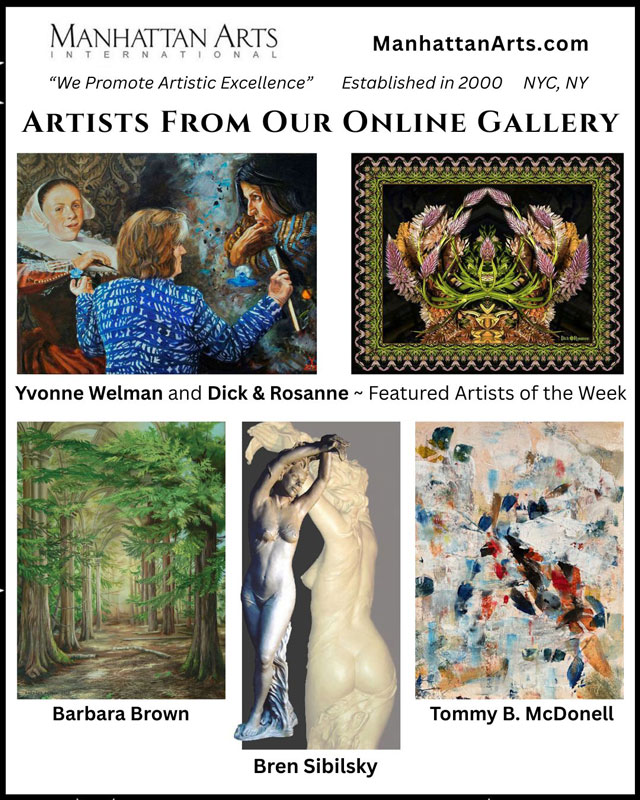
Visit Our Online Gallery for Art
A Variety of Subjects, Styles & Mediums
We encourage you to Buy Art from Artists!
The experience will be invaluable!
We supply links to artists websites for you to contact them directly!
Our Online Gallery supplies links to artists’ websites and encourages you to contact the artists directly to make a purchase. Many artists offer original art, limited edition prints in various sizes, and create customized works of art to suit your artistic and monetary preferences.
-
 ***************************************
 -
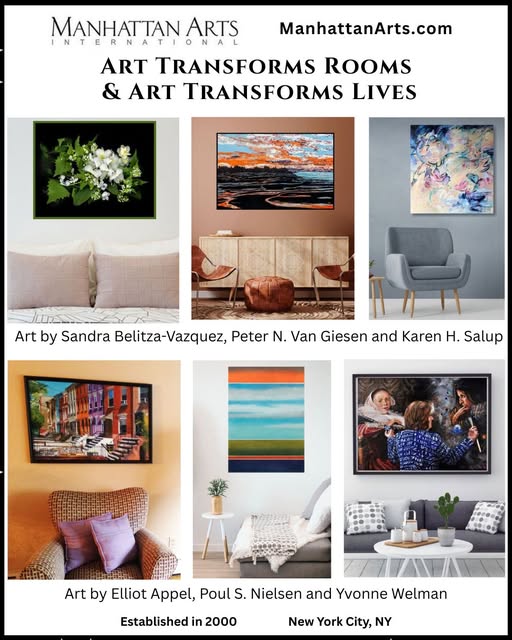
Also Enjoy Viewing “Art Transforms Rooms and Art Transforms Lives!”,

This information is so very useful. Thank you for giving direction to people contemplating collecting art!